Me and You Co-op Tips for Two Players
Talk like rule lawyers, split roles cleanly, and pick the right Steam co-op mode before the maze picks a fight.
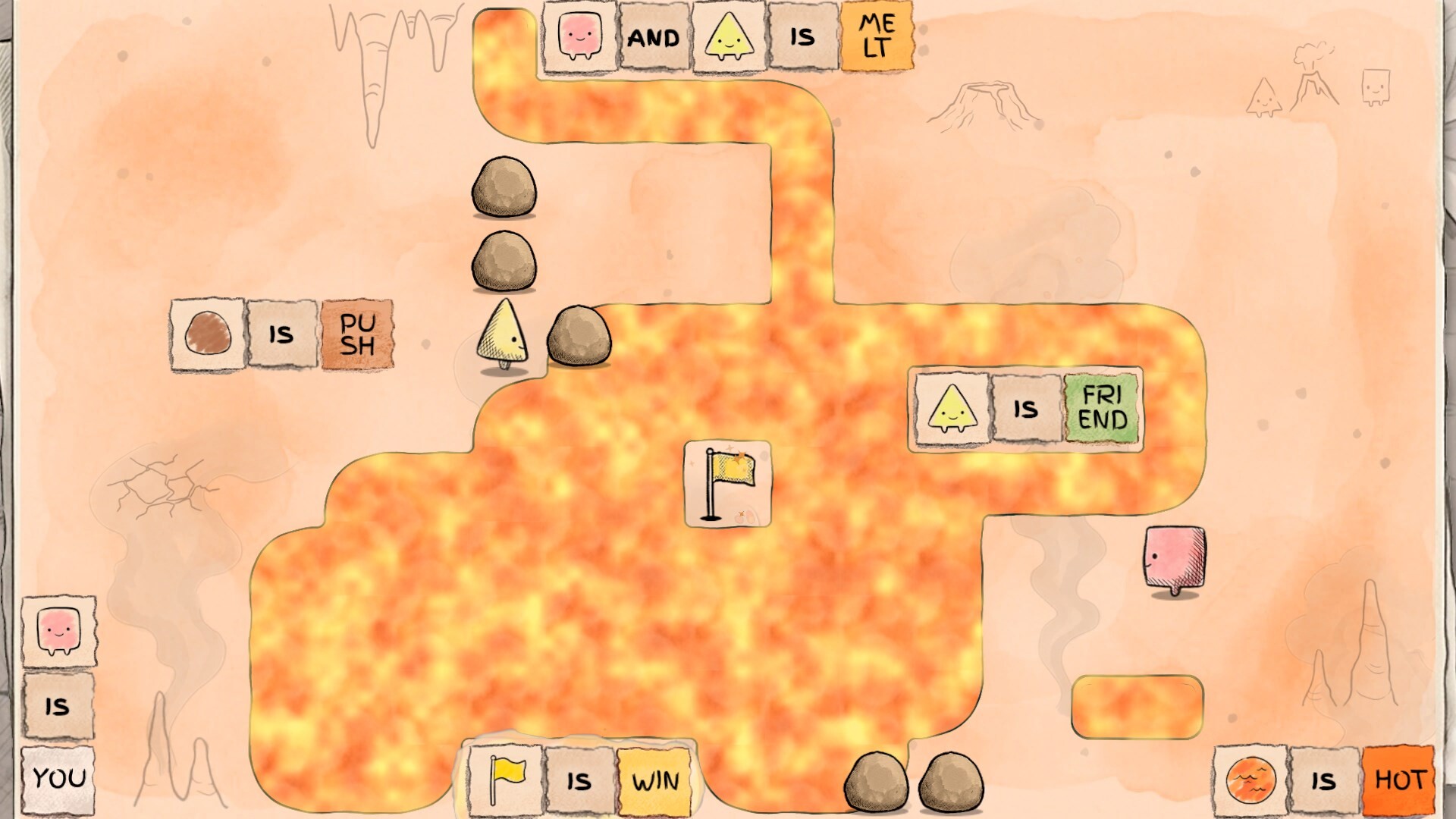
Me and You sells teamwork without apology: every level is designed for two players, and the Steam page is blunt that only constant communication gets you to the end. This guide focuses on the human layer — how to speak, how to divide labor, how to choose online co-op versus local split-screen versus Remote Play Together, and how couples or friend groups keep the mood intact when Water Thorns eats forty minutes. Mechanical onboarding lives in Getting Started and How to Play; inputs live in Controls.
Pick the right co-op mode first
| Mode | Best when | Watch-outs |
|---|---|---|
| Online co-op | Both PCs can install the demo/full game; you want native netcode feel | Needs two installs; voice chat is separate (Discord/Steam) |
| Local shared / split-screen | Same couch, easiest banter, shared snacks | Tile text must stay readable; keyboard elbow wars |
| Remote Play Together | Only one library/install should host; guest hops in via Steam | Host bandwidth limits; compression can blur words |
For precision chapters in the demo — Maze, Crossroads, Lock, Push it together — prefer native online or true local over a shaky Remote Play stream. Remote Play remains excellent for inviting someone who cannot install right now, especially pre-release when you are sampling app 5150970 before the November 25, 2026 launch of app 4933500.
Communication scripts that reduce chaos
Silent co-op fails in word games. Use short, repeatable lines:
- Survey: “Rules are: wall is stop, rock is push, flag is win. You’re YOU on the left.”
- Intent: “Breaking wall is stop in two moves.”
- Claim: “I’ve got the IS tile — don’t touch it.”
- Sync: “Push on three. One, two, three.”
- Check: “Is YOU still on you after that transform?”
- Reset etiquette: “Undo or restart? I vote undo twice.”
Ban vague language like “that thing” when a noun tile exists. Saying SINK or STOP aloud wires the grammar faster — see Rules and Word Blocks.
Role splits that actually work
Rotate these hats every level or whenever someone stalls:
- Rule reader — always restates active sentences after each major edit.
- Tile shepherd — owns word movement and hates corner traps.
- Body shepherd — keeps characters safe, stands on holds, prepares the win touch.
- Skeptic — asks “what if that WIN is fake?” before the team commits.
Couples often default to one “leader.” In Me and You, leadership should flip when the leader’s hypothesis fails twice. The skeptic role prevents tunnel vision on rooms like Changeless or I am I where identity jokes punish stubborn plans.
Transformation etiquette
You will turn your friend into a door, rock, or wall. That is content, not betrayal — if you narrate it.
- Ask: “Okay if I make you the key?”
- State the reclaim: “After the door opens, we rebuild YOU on the right noun.”
- Never transform both players into STOP objects “as a bit” unless undo is ready.
- Celebrate the weird screenshot, then immediately re-check win conditions.
Friend groups streaming for laughs should still keep reclaim plans; soft-locks are funnier when intentional.
Local couch tips
- Seat the rule reader closer to the screen center so they can track small paper scraps.
- Prefer two controllers with D-pad movement over dueling WASD/arrow elbows — details in Controls.
- Keep snacks off the keyboard cluster used for undo.
- If split-screen shrinks text too much, switch to shared view when the build allows.
- Agree that only one person may confirm Restart.
Online tips
- Use a dedicated voice channel; typing while aligning IS tiles causes desync in plans even when the netcode is fine.
- Host on the stabler connection.
- When latency spikes, switch to “call then push” instead of reflex pushes.
- After any transform, both players restate who is YOU — packet delay makes sprite changes easy to miss.
Remote Play Together tips
- Host closes downloads and overlays that steal upload.
- Guest connects the pad through Steam’s invite overlay and waits for seat confirmation.
- Host reads every newly completed sentence aloud; compression can smear letters.
- Avoid simultaneous micro-adjustments; serialize pushes when stream delay is obvious.
- If a puzzle needs frame-perfect together pushes, schedule a native online session later rather than grinding Remote Play frustration.
Couples: keep the campaign kinder than the thorns
Word puzzlers amplify existing communication habits. Helpful house rules:
- Fifteen-minute soft cap per stuck room before a mandatory break or hint peek at the Demo Walkthrough.
- Praise a good survey even on failed attempts — reinforce the process, not only clears.
- No sarcasm on mispushes during Chapter 2 hazards; save the roasting for victory screens.
- Alternate who picks the next hypothesis so one partner does not become the perpetual follower.
- End on a win when possible — replay an early Chapter 1 clear like The flag is win if Two banks of the river soured the night.
Friend groups and party play
Only two control seats matter at a time. Extra friends can:
- Serve as a hall-of-mirrors rule reader on speakerphone
- Track undo history (“you cornered IS three moves ago”)
- Manage the wiki hint page so players stay hands-on
Do not pass the controller mid-sentence without announcing seat swaps; mystery YOU changes create fake bugs.
Conflict triage when the room wins
- Stop pushing. Hands off sticks.
- Re-list rules without proposing a solution yet.
- Each player offers one hypothesis in thirty seconds.
- Test the less destructive hypothesis first with undos queued.
- If both fail, read a Hint tier — not a full video spoiler — then return.
This beats the death spiral where both players shove different nouns at once and invent a third soft-lock.
Session structure template
- Ten-minute controls and undo warm-up (Controls)
- Chapter segment goal (e.g., “finish Beginning” or “clear two Water rooms”)
- Mid-session stretch after any thorn/water spike
- Optional walkthrough hint budget: max two Tips per night
- Wishlist / update check on Updates before quit so launch week excitement stays shared
Quick mindset reframes
- “We’re stuck” → “Which sentence is lying?”
- “You ruined it” → “That push taught us the corner trap.”
- “This is impossible solo” → Correct — that is the design; lean into dual agency.
- “Let’s restart” → “Can two undos salvage the IS tile first?”
Me and You is a relationship stress test disguised as paper scraps. Teams that narrate the board, rotate roles, and choose the co-op mode that matches their bandwidth will clear Push it together with grins instead of mutes. For level-specific nudges, keep the Demo Walkthrough bookmarked; for grammar, keep Rules and Word Blocks nearby; for the big index, return to the Guides Hub.
Frequently Asked Questions
Quick answers to the most common questions.
Online co-op or Remote Play Together?
Use online co-op when both can install. Use Remote Play Together when only one PC should host. Local shared/split-screen is best for same-couch banter and readable teamwork.
What should we say after every big rule change?
Restate all complete IS sentences and explicitly name who is YOU. That single habit prevents most transformation soft-locks.
How do we split roles without arguing?
Pick a tile shepherd and a body shepherd, plus a rotating skeptic. Swap when a hypothesis fails twice so leadership does not calcify.
Any advice for couples on hard water levels?
Set a fifteen-minute soft cap, praise good surveys, ban sarcasm on mispushes, and peek at Demo Walkthrough hints before the mood drops.
Can a third friend help?
Yes as a rule reader or hint manager, but only two control seats. Announce any controller handoff so YOU identity never becomes a mystery.